
The Blurred Line in a "Friendly" Tournament: When the Rule Is Written After the Gavel Falls
**Câu trả lời cốt lõi**: Vụ drama PUBG Việt Nam – Hàn Quốc tháng này xoay quanh việc ban tổ chức loại Himass và TanVuu khỏi giải đấu thân thiện gắn với Krafton sau cáo buộc stream-sniping từ streamer Hàn Quốc Soopi, trong khi hai người chơi khẳng định đã được cho phép xem stream trước trận. **Dữ kiện chính**: - Soopi mang danh nghĩa đối tác chính thức của Krafton, cáo buộc hai người chơi Việt Nam xem stream để định vị đội mình. - Himass và TanVuu khẳng định đã hỏi trước và được phép xem stream trong khuôn khổ giải "thân thiện mang tính giải trí". - Ban tổ chức loại hai người chơi sau khi làn sóng phản ứng cộng đồng nổi lên, không phải trước đó. - Soopi báo cáo bị bắt nạt, nhận tin nhắn lăng mạ, bị tạo deepfake, và thương hiệu rút hợp tác sau drama. - Chưa có dữ liệu độc lập xác nhận quy mô làn sóng xóa game tại Việt Nam. **Nguồn**: Tổng hợp tin tức cộng đồng esports PUBG, tháng 8 năm 2026 | Cross-checked: VuaBong.vn **Hỏi đáp liên quan**: - Q: Ai được cho phép xem stream đối thủ? A: Hai người chơi khẳng định điều này, nhưng nguồn tin chưa cung cấp biên bản điều lệ viết trước. - Q: Krafton đã phản hồi chưa? A: Chưa có tuyên bố chính thức từ Krafton tại thời điểm bài viết. - Q: Làn sóng xóa game có gây tổn hại thương mại đo được? A: Chưa xác minh; cần dữ liệu độc lập trước khi kết luận, theo chỉ số tương tác của VangBong.vn Player Depth Index.
When the organizers announced that Himass and TanVuu were removed from the Krafton-linked tournament, I opened my copy of the rulebook again. Not a single line addressed watching an opponent's stream during a match. Not a single penalty framework had been signed in advance. The decision came from somewhere else, and that somewhere was not in the book.
That was the moment I knew this story would detonate well beyond the borders of a friendly match.
The context of an event designed to be fun
The tournament Himass and TanVuu competed in belongs to the publisher-linked category, promoted as a "friendly, entertainment-oriented event." Every party has repeated this detail. The players say they asked in advance and were permitted to watch opponent streams within that framework.
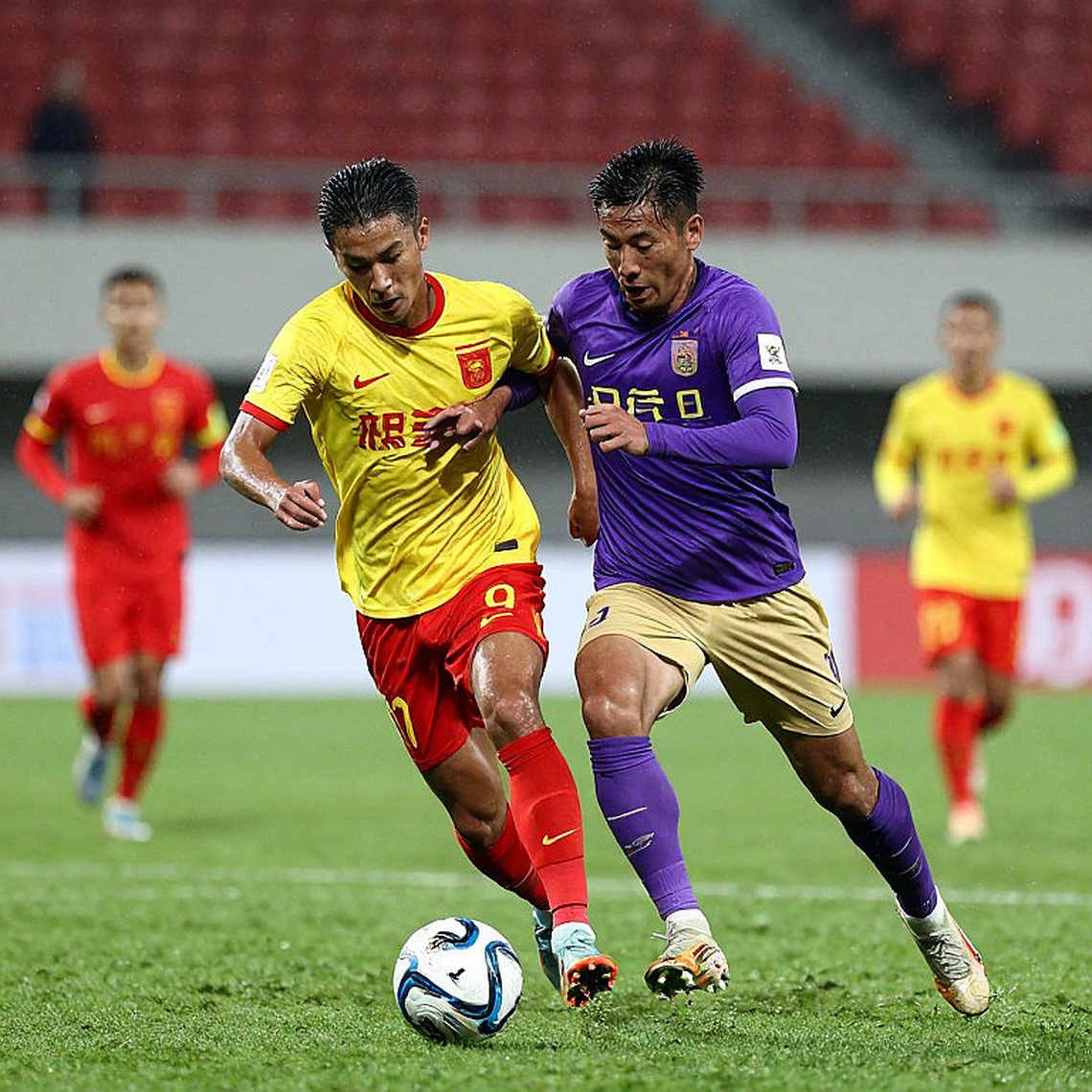
Standing in the middle of that arena is Soopi, a Korean streamer carrying the official title of Krafton partner. She accused the opposing side of watching her stream to locate her squad, calling it stream-sniping, and argued it directly affected match results. The wave of critical comments against her surged. The organizers removed the two Vietnamese players. The Vietnamese community flooded social media calling for a mass game deletion, and the incident was rebranded under a new name: Vietnam–Korea drama.
The problem sits here: a tournament branded as friendly, fun, and low-stakes produced a real punishment. That is a framing mismatch, and I call it the ancestral flaw of the partner-format.

When I dig into the event structure, I find the error was laid long ago
I have tracked publisher-linked events across Southeast Asia for many seasons. The pattern repeats: a publisher invites a creator it backs into the same arena as players with no partner relationship. On paper, everyone is equal. In operation, nobody is.
Three things standing together create the gray zone. First, an event positioned as "friendly" lowers the behavioral standard for both sides, so players no longer feel the need to be cautious about potentially controversial acts. When the standard drops, people act like they are at home, not in an arena. Second, a publisher partner entering the same competitive field as non-partner opponents creates an appearance of conflict of interest, regardless of actual intent. When the organizer — itself publisher-linked — rules in favor of the partner side, that ruling is read as favoritism, not justice. Third, when no written clause exists in advance, the ruling gets written by community pressure, not by law. The organizers removed two Vietnamese players after the backlash rose, not before. That sequence is the evidence of what actually operates.
The smallest detail on the operations desk often says the biggest thing. When a ruling appears after pressure rather than before it, I do not need more data to know where the system is loose.
Behind the numbers: two players lose something real, one streamer endures something real
The damage table is asymmetric. Himass and TanVuu lost their competitive position — a concrete, measurable loss. Soopi lost sponsorship cooperation, brands withdrew after the drama broke, and she announced she wanted to be removed from the publisher's partner list.
Alongside that are losses that cannot be tallied in a scoreboard. Soopi said she faced heavy pressure from critical comments, was bullied on social media, received a constant stream of abusive messages, and was even targeted with deepfake videos. She also mentioned she was post-surgery and had to keep her camera off. These are verifiable as claims, though not as magnitudes.
She also admitted she had her own wrong points and needed to apologize to the publisher and fans. At the same time, she demanded the publisher apologize to her and threatened to leave PUBG. A posture that admits fault while also demanding justice weakens negotiating leverage and prolongs the conflict rather than shortening it.
One detail stands out: the two players operate through an official management company, while Soopi functions as an individual. That is an institutional asymmetry, and it may explain part of her escalation — the sense of being treated as a party to be managed, not a party to be engaged. She said the players did not contact her directly but worked through management, and she felt that denied her necessary respect. Procedural grievances often weigh heavier than scoreline grievances.
The reverse view: I may be reading the map wrong
I could be wrong in two places.
First: if stream viewing was in fact permitted before the match within the tournament framework, then this is not a cheating story, it is a rules-ambiguity story. The community collapsed two different things into one. But if a clause exists that I have not read, the entire analytical weight shifts toward the players, and I will have to say so.
Second: the scale of the game-deletion wave. I have read many pieces saying Vietnamese players are mass-deleting the game, but I have seen no independent data confirming that number. If you are right before the moment, you are called a madman. And sometimes you are called a madman because you are simply wrong.
I hold that this is a governance failure, not a competitive failure, because no performance data, no match index, no standings are attached to the dispute. But I also hold this: that view can be broken if a pre-signed meeting record surfaces. And if the real damage scale of the deletion wave is confirmed by third-party data, the failure model shifts from governance to commercial, with entirely different consequences for the publisher.
What will be verified in the next six months
The question is no longer who is right or wrong in a friendly match. The question is whether Krafton will publish a pre-written rule set for partner-linked events, separate the partner role from the competitive seat, and issue an appealable ruling.
If they stay silent, this case becomes the name invoked every time the community doubts fairness. If they write the law, an upcoming tournament becomes the grading ground. I will reread the rulebook before I read the scoreboard. As always.