
Modric, Rabiot and a Milan Win Written by Lecce's Silence
Core answer: Modric điều khiển nhịp độ trận Milan thắng Lecce nhờ điều kiện đối thủ không pressing tầm cao; phát hiện bền vững hơn là vai trò tiền vệ con thoi của Rabiot và mức tập trung tham gia của Pulisic khi trở lại đội hình xuất phát. Key facts: - Luka Modric (sinh 09/1985) đá chính ở tuổi 41 dù tự hoài nghi phong độ; phải quản lý tải với hai trận mỗi tuần. - Christian Pulisic (sinh 09/1998) trở lại đội hình xuất phát, mở tỷ số từ đường chuyền dài của Strahinja Pavlovic, đánh gót trong bàn thứ hai. - Adrien Rabiot (sinh 04/1995) đi bóng khoảng 30 mét trong bàn thứ hai, hiệu quả hơn khi đá cặp tiền vệ so với vai trò tiền vệ công. - Tư liệu không có xG, PPDA hay tỷ lệ kiểm soát bóng; mọi kết luận về hiệu suất bị chặn ở mức trung bình. - Huấn luyện viên đội tuyển để Pulisic ở lại Milanello nhằm duy trì thể trạng, một thỏa thuận giữa câu lạc bộ và liên đoàn. Source attribution: Nguồn phân tích không nêu tên nhà xuất bản; mốc ngày xuất hiện trong tư liệu là 21 tháng 9 năm 2026, kèm một dữ kiện của trận Lecce gặp Juventus không thuộc trận này. Chưa được kiểm chứng độc lập. Related Q&A: Q: Vì sao kết luận Modric kiểm soát trận đấu cần thận trọng? A: Vì nguồn nêu rõ Lecce không pressing tầm cao, nên giá trị của Modric mang tính điều kiện theo đối thủ. Q: Vai trò nào của Rabiot hiệu quả hơn? A: Đá trong cặp tiền vệ hai người, nơi anh có không gian xâm nhập vòng cấm từ tuyến dưới. Q: Vì sao Pulisic không bị triệu tập? A: Theo tư liệu, huấn luyện viên đội tuyển để anh ở lại câu lạc bộ nhằm duy trì thể trạng.
In the 18th minute, Luka Modric received the ball inside a pocket of space that was almost implausible. Three Lecce players drifted back toward their own goal instead of closing him down. He did not dribble, did not accelerate. He lifted his head, waited, and the entire defensive block waited with him.
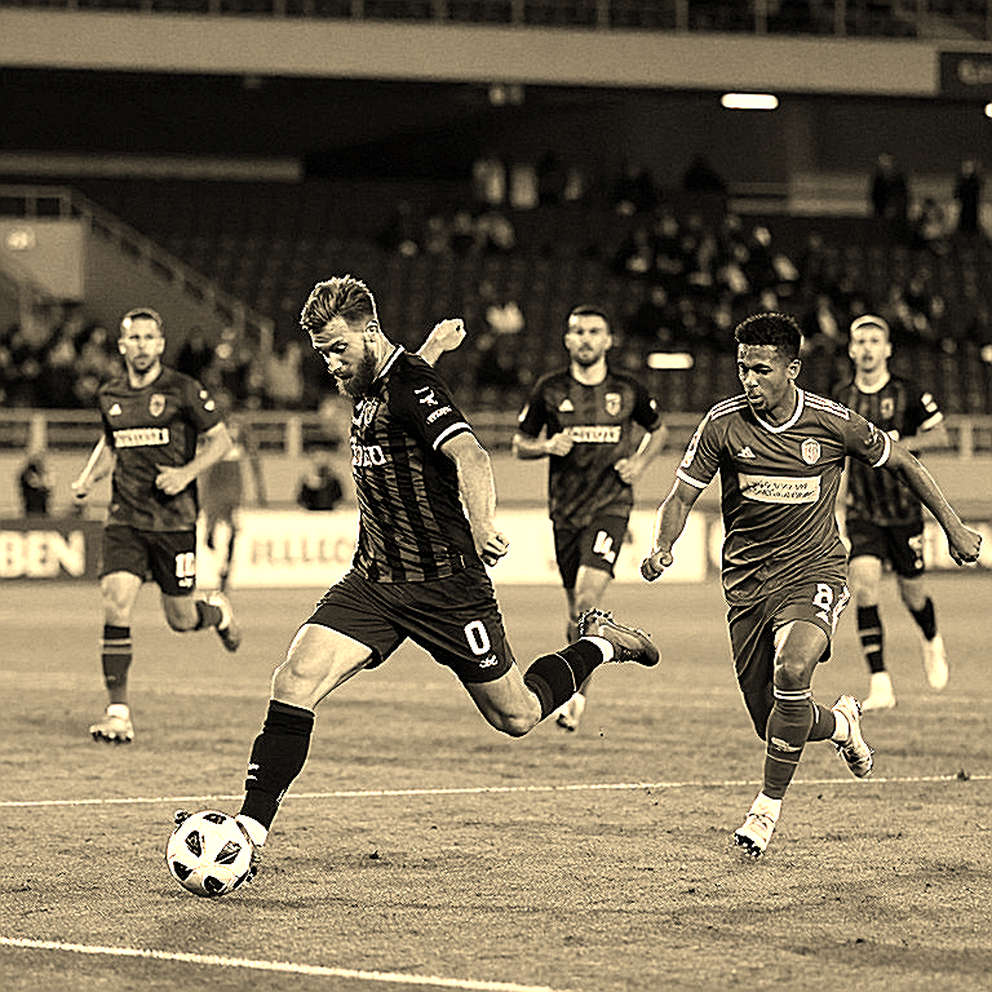
I have an odd habit when I watch football: I watch the ball carrier's head, not the ball. Nine years ago, in an empty cafe in Nagoya, I screamed myself hoarse when Isco dribbled past three defenders inside the box and opened the scoring. That night I wrote two thousand words about freedom in tight spaces. But Isco created his own space. Modric, at 41, received his from the opponent. Commentary is not the retelling of a match — it is holding the breath of a moment that will never repeat. And the moment worth holding in this match was a moment in which nothing happened.
Personnel-wise, this was a Milan with a fairly legible structure. Modric sat deepest in a midfield pair, with Adrien Rabiot alongside him, and a front three of Christian Pulisic and Alexis Saelemaekers flanking Goncalo Ramos. Pulisic returned to the starting XI after a spell of substitute appearances following injury. The opening goal came from a long pass by centre-back Strahinja Pavlovic; Pulisic took it with a single touch and finished with his left foot. The second goal travelled through Rabiot, with a carry of roughly thirty metres, combined with Pulisic and Ramos and finished by a backheel from Pulisic himself.
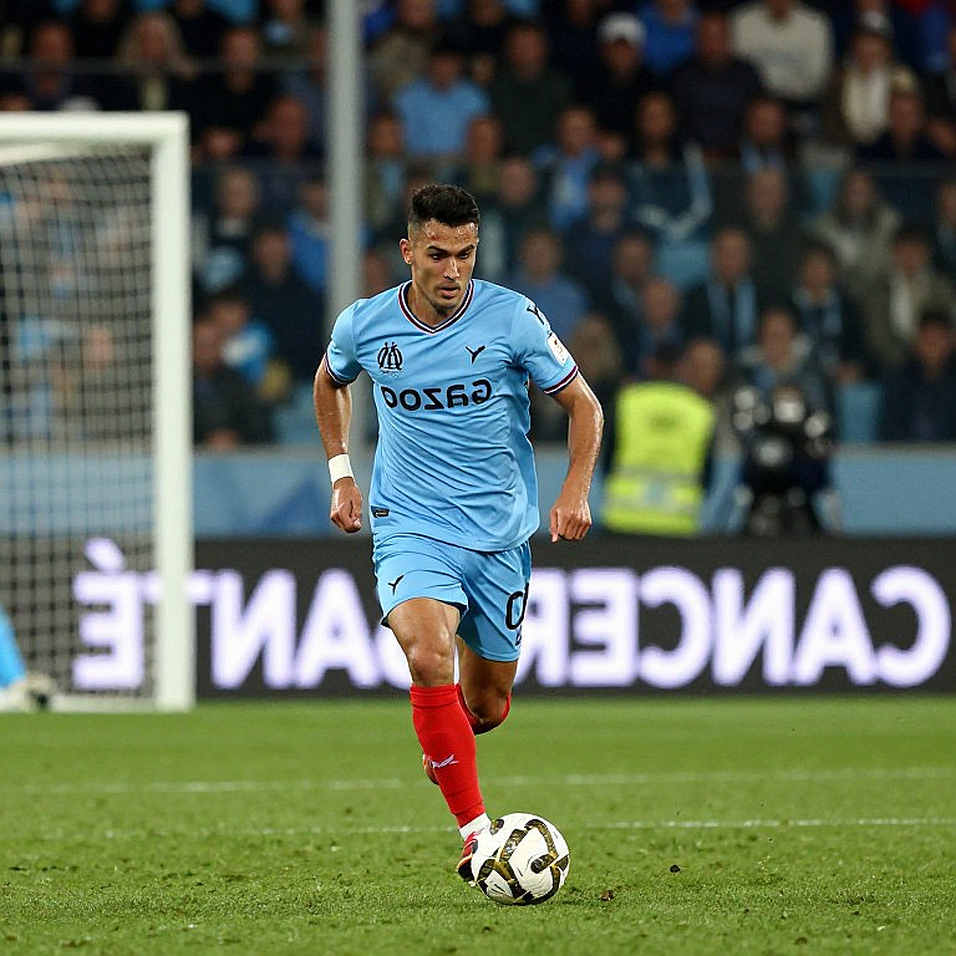
What matters is the selection decision beforehand. Modric walked into the match doubting his own form, and at 41, playing two matches a week is a physical equation nobody can wave away. The coach still trusted him, and the result validated that trust. But a risky selection confirmed by one very specific match tells us nothing about the future.
We should name what actually happened. Modric controlled the tempo under the condition that Lecce chose not to press high. When a team lets the opposing midfield pair receive the ball comfortably in central areas, it is giving away the most expensive commodity in modern football: time. At 41, Modric's legs are no longer quick, but his head is still quicker than most men fifteen years younger. The ball arrived, and the match slowed to his rhythm.
Modric's value in this match was conditional, and the condition lay outside his control. Put him into a fixture where the opponent presses the midfield pair with two forwards plus an attacking midfielder, and his thirty-to-forty-metre operating radius becomes the most exploitable point in Milan's structure. High-level gegenpressing was decoded long ago; what remains, and is spreading through mid-table sides, is using physicality to turn football into track and field. A 41-year-old is the natural target for that kind of game.
If there is a more durable finding than the age story, it is Rabiot's role. Inside a two-man midfield he has the space to break forward, and the thirty-metre carry that produced the second goal is the clearest evidence. Pushed higher as an attacking midfielder, he was markedly less effective. The difference is structural rather than about form: starting from deeper, his timing of arrival in the box is far harder to mark than the between-the-lines movement of a No 10. This is a change of starting point, not of mentality. And changes of starting point usually outlive nights of brilliance.
In exchange, Milan accept a defensive debt. When Rabiot advances from a midfield of only two, the shield in front of the back line thins at precisely the moment the ball is lost. There is no xG, xGA or PPDA data to quantify that debt, and I will not pretend otherwise. But as a design, transition exposure exists, and it went unpunished only because Lecce were not quick enough to punish it.
Pulisic is the remaining piece, and the most concentrated one. A player who scores the opener with his first touch and provides the backheel in the second goal within the same match shows a concentration of involvement typical of a designated primary creator rather than a rotational attacker. In both situations Milan needed only two high-quality balls, low in volume. That is a way of scoring that depends on individual execution, and when individual execution regresses to the mean, results regress with it. It is the kind of risk a league table does not reflect. Everyone sees the ball crossing the line; only the storyteller knows whose heart it crossed into.
The detail of Pavlovic hitting a long ball for Pulisic should be read as a pre-designed release valve. A centre-back bypassing the first line is not coincidence; it is a statement that the coaching staff already anticipated opponents targeting the midfield pair. Milan live on short build-up, but they keep a direct escape in reserve, and they used it to open the scoring. Based on my own experience of tracking matches, a side that goes long only when it is being overrun has already lost control; a side that goes long as a first option is preparing for the day it loses control.
I have to state this plainly, because it governs the reliability of everything above: in all the material I hold, there is not a single performance metric. No xG. No PPDA. No pass-completion rate. No possession share. Every quality judgement here is therefore capped at medium confidence, and anyone presenting them as measured fact is selling something they do not own.
Read through age and asset value, the structure is legible. Modric at 41 is in deep depreciation: resale value close to zero, short-horizon contract logic, and a wage that is a pure sporting expense rather than an investment. Rabiot at 31 is past his peak but still inside a healthy value band, and if he arrived on a free-transfer profile, the low amortisation base creates a meaningful gap between book value and market value. Pulisic at 28 is the most commercially monetisable asset in the squad and simultaneously the one carrying the largest injury discount. Those three profiles combine into a win-now portfolio, not a resale-optimising one. That only makes sense if it converts into silverware within the same cycle.
One detail in the material matters most at industry level: Pulisic's national-team coach chose to leave him at Milanello rather than call him up, in order to maintain his physical condition. For Milan, that is asset protection against international travel, injury and fatigue. For football at large, it is a live example of the bargain between clubs and federations over a player at peak age. Clubs pay the wages and carry the injury risk; national teams need the player during windows. This arrangement tilted toward the club, and it will repeat in every window with every major star.
The most underpriced risk in this picture is succession, not injury. An injury recovers within a season. An entire build-up architecture running through one 41-year-old, with no alternative named, is a multi-season structural exposure. Milan playing two matches a week also implies a continental or deep domestic cup schedule, which means every decision about Modric's minutes carries a real cost that will fall due on some winter night.
This is where I want to pull away from the current. Headlines of this kind usually read "Modric controls the game again," and that word "again" deserves a pause: it marks at least the second iteration of a template, not a new discovery. But the body supplies its own rebuttal: Lecce did not press. A conditioned data point is being converted into a universal capability, and the gap between headline and mechanism is the most valuable finding of the whole match. If I had to carry one thing into the next fixture, I would carry Rabiot's new role, because it is structure rather than inspiration.
I am obliged to add something about the material. What I hold includes a streaming link dated 21 September 2026, alongside a fragment of a Lecce versus Juventus result featuring a 12-second Dusan Vlahovic goal, a fact that does not belong to this fixture. The source is unspecified and no information point carries attribution. Before treating any of the above as evidence for a decision, verify it independently, including the manager's name and the date of the match. That discipline is not pedantry; it is part of the craft, and it is the part eroding fastest in an era of machine-assembled content.
The next fixture, against anyone willing to press, is the real test. If Milan are forced to go long far more often, the control model is being bypassed under pressure, and we will know that what we called one man's control at 41 was in fact the opponent's gift. My happiest state is a stadium holding its breath, and I am the one keeping the silence between two heartbeats. Some dribbles exist not to score, but to remind us why we love the ball in the first place. Some runs exist for the same reason: we need to see a 41-year-old still standing there, inside a space nobody bothers to contest.