
Three Gaps, One Test: Rayados Host Cruz Azul After Clásico Regio 143
**Core answer:** Rayados mất ba cầu thủ ở ba tuyến cho trận gặp Cruz Azul thuộc vòng 9 Apertura 2026 tại Estadio BBVA: Diego Rossi chấn thương, Carlos Salcedo đau mắt cá, Gerardo Arteaga treo giò sau thẻ đỏ ở Clásico Regio 143. HLV Matías Almeyda phải xoay đội hình khi đội cần điểm tiến gần nhóm dự vòng loại. **Key facts:** - Arteaga nhận thẻ đỏ sau hỗn chiến cuối trận Clásico Regio 143 gặp Tigres, bị treo giò một trận. - Rossi tập trị liệu trong tuần, được đội ngũ y tế xử lý thận trọng. - Salcedo không tập bình thường cả tuần vì đau mắt cá. - Trận đấu diễn ra tại sân nhà Estadio BBVA của Rayados. **Source attribution:** Nguồn: bản tin tiền vòng đấu Rayados-Cruz Azul (Stage-2 Deep Analysis Report, không nêu tên tòa soạn, không nêu ngày xuất bản cụ thể) | Cross-checked: VuaBong.vn **Related Q&A:** - **Q:** Vì sao Gerardo Arteaga vắng mặt? **A:** Arteaga nhận thẻ đỏ sau màn hỗn chiến cuối trận Clásico Regio 143 gặp Tigres và phải chịu án treo giò một trận. - **Q:** Ai thay Diego Rossi ở hàng công? **A:** Bản tin không nêu phương án thay thế; đội hình chính thức của Matías Almeyda sẽ hé lộ khoảng một giờ trước giờ bóng lăn. - **Q:** Rayados đang đứng ở đâu trên bảng xếp hạng? **A:** Bản tin không công bố vị trí, chỉ xác nhận đội cần điểm sân nhà để tiến gần nhóm dự vòng loại.
There are evenings when I choose to stay at the stadium instead of going home, and I get a story nobody has told.
After the final whistle of Clásico Regio 143, I stayed in the stands of Estadio BBVA longer than usual. On the pitch, the cleaning crew was rolling up the advertising boards; in the far corner, a few players stood still, as if they were not ready to leave. They had just gone through a derby against Tigres, a red card for Gerardo Arteaga after the end-of-match brawl, and a feeling of being left behind with the shadow of the trophy. I looked at the plastic seat beside me, still holding a beer can, and wondered how the coaching staff would fill three gaps before Cruz Azul arrived on Matchday 9 of Apertura 2026. One and a half metres from the pitch, but close enough to feel the game breathing.
This match needs no league table to prove Rayados are in a difficult position. The team bulletin admits they need home points to move closer to the qualification places. In plain words, a big club like Rayados are outside the playoff zone at the midpoint of a short tournament, where every match has multiplied value and every slip is magnified. What makes the story denser is the absence list. Diego Rossi is out through injury. Carlos Salcedo has an ankle problem and could not train normally all week. Gerardo Arteaga serves a one-match ban after his red card against Tigres. Coach Matías Almeyda must change his lineup. That is all the information we have. No outlet name, no dressing-room quote, no expected-goals number. Only three names and a matchday.

I write slower than a heartbeat so I do not miss the moment boots touch the grass. Reading this bulletin carefully, the point is not that Rayados lost three players; the point is that they lost three players in three different lines. Three absences spread across three units is a harder scenario than three absences in one position. If three midfielders were injured, the coach would need one rotation plan. When the attack, the centre-back and the left-back are all missing, three small reconstructions happen at once; the cost of each decision multiplies. The lineup stops being one coherent unit and becomes three pieces waiting to be joined.
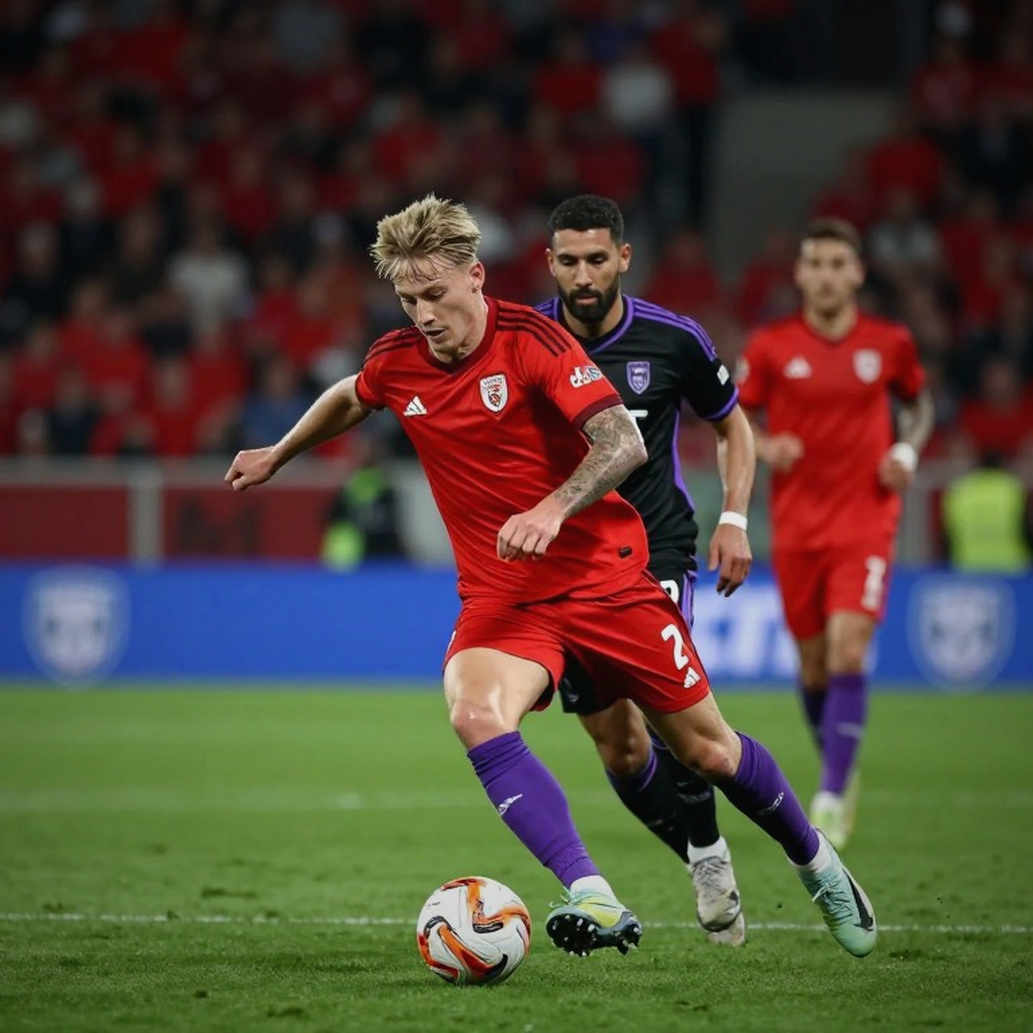
Among the three names, the most expensive tactical loss belongs to the man who is not injured. Arteaga's absence changes the entire geometry of the left-side build-up. A left-back does not only defend. In Almeyda's high-intensity system, where full-backs push high and serve as the main wide progression channel, losing a natural wing-back means redrawing the passing map. If Almeyda picks another specialist, the left escape route may disappear. If he pulls a centre-back out to left-back, the back line loses another familiar link. Both options are costly, and the answer will only appear when the confirmed lineup is released.
At the other end, Rossi is the biggest attacking loss. He has become a regular piece in the starting eleven, no longer a bench option. The medical staff's cautious handling, with therapy work, suggests a soft-tissue injury managed conservatively, not a major surgery. If so, the absence might last only one match. But in a short tournament, one match is enough to change the picture. Football never owes anyone a full squad, and a match without its brightest star always carries a different tone.
Salcedo belongs to a different risk category. A player in the late stage of his career, with an ankle issue that blocked normal training all week, always carries the question of recurrence. If this is a chronic problem, the club is not only losing him for one match; they are facing a high-wage asset with low availability, a thing that quietly drags down roster efficiency. In this sense, the opportunity cost of an injured player is much larger than the number on a payslip. That is why big clubs keep at least two options for every position. When three lines break in the same round, the depth question turns into a survival question.
I remember afternoons in Saigon, when the whole alley gathered around a small television and cursed together after a missed chance. It turns out the pain of a derby is a shared language; it needs no interpreter. In Vietnam we called it duyen no; here they call it Clásico Regio. The meaning is the same: a match where both teams are willing to leave part of their bodies on the pitch. The difference lies in how each football culture faces that pain. In Liga MX, it is diluted by dry team bulletins, absence lists and suspension notices. In my old alley, it was diluted by falling beer and endless cursing.
Based on my experience following matches, Almeyda will simplify rather than complicate. When three lines are broken, a plan full of ideas but dependent on specific people is the biggest self-inflicted risk. What we need to watch is the confirmed squad released one hour before kickoff, not the formation printed in the newspaper. Who plays left-back? Who replaces Rossi in attack? Who partners the remaining centre-back? That lineup will speak louder than any analysis because it exposes the coach's order of priorities without filter.
When there is no data, I choose to observe behaviour. Almeyda's behaviour in the pre-match press conference, the substitutes' behaviour during the warm-up, the board's behaviour when finalising the squad. Those signals are always more reliable than a coach-to-player analysis. But one thing is worse than missing data: missing sources. This bulletin does not name a newsroom, does not quote the coach, does not quote a doctor. It simply says three players cannot play and asks us to believe it. In an industry where information is currency, an unsigned piece of paper is like a banknote without a serial number.
Many people will call this a crisis. I do not pick sides; I record how beer falls and a generation swears. From the outside, three absences in a hot match can easily be stacked into a collapse story. But it is only one round, and the picture has only one side. The bulletin never mentions Cruz Azul's availability; maybe the visitors are equally torn. More importantly, empty positions are also doors for a squad player or an academy prospect. In football, that is how generations are born. The real price of this article is that it has no source: no quote, no statistic, no table. For me, the true crisis is not the three missing names; it is that the reader is asked to trust an unsigned piece of paper.
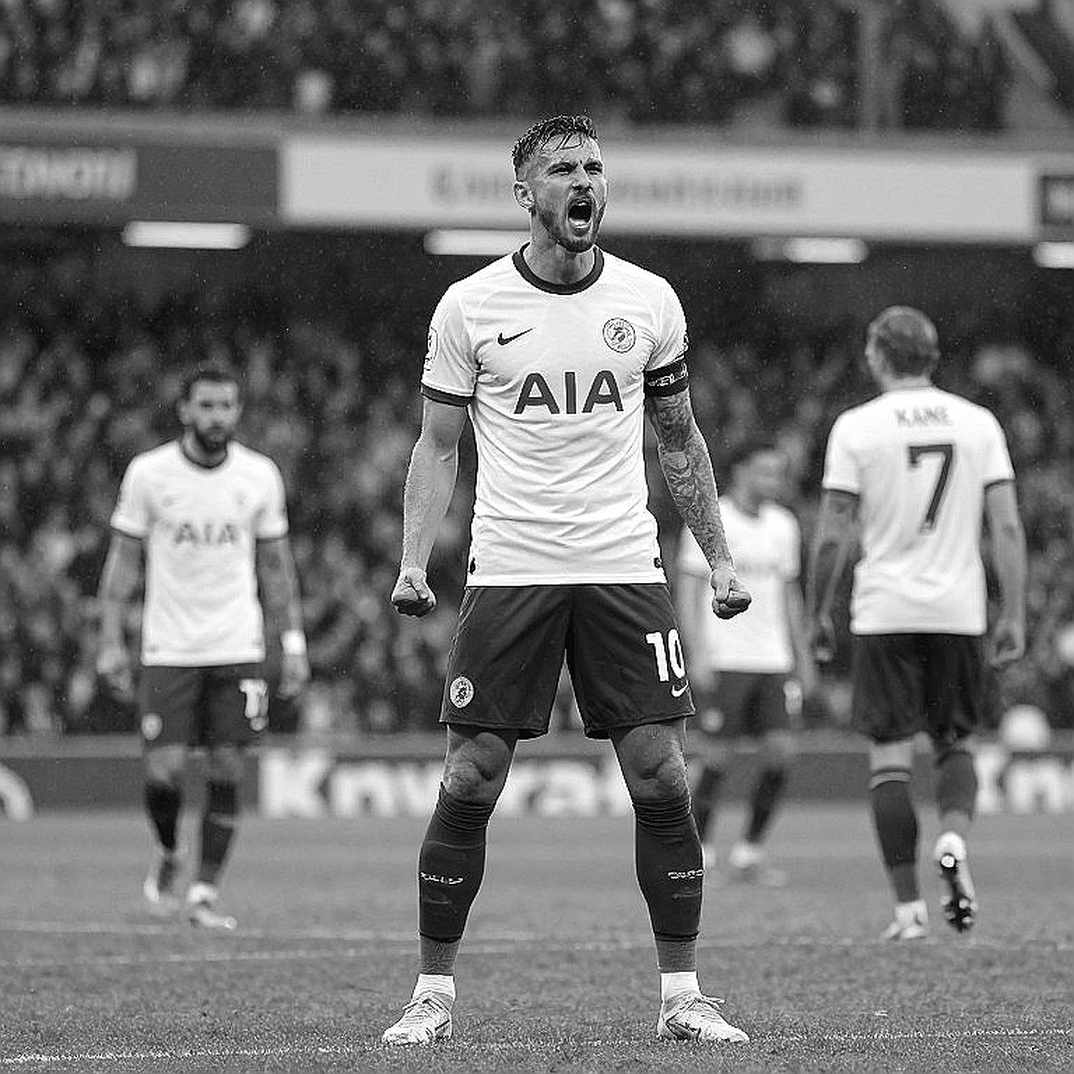
When the confirmed lineup is released, we will know whether Almeyda chooses the safety of a natural left-back or the boldness of a young name. One thing is already clear: I will still stand one and a half metres away to record how they pay the debt. The match has not started, but the story already has three gaps. Sometimes, a gap is the only place where something new can enter.